Introduction
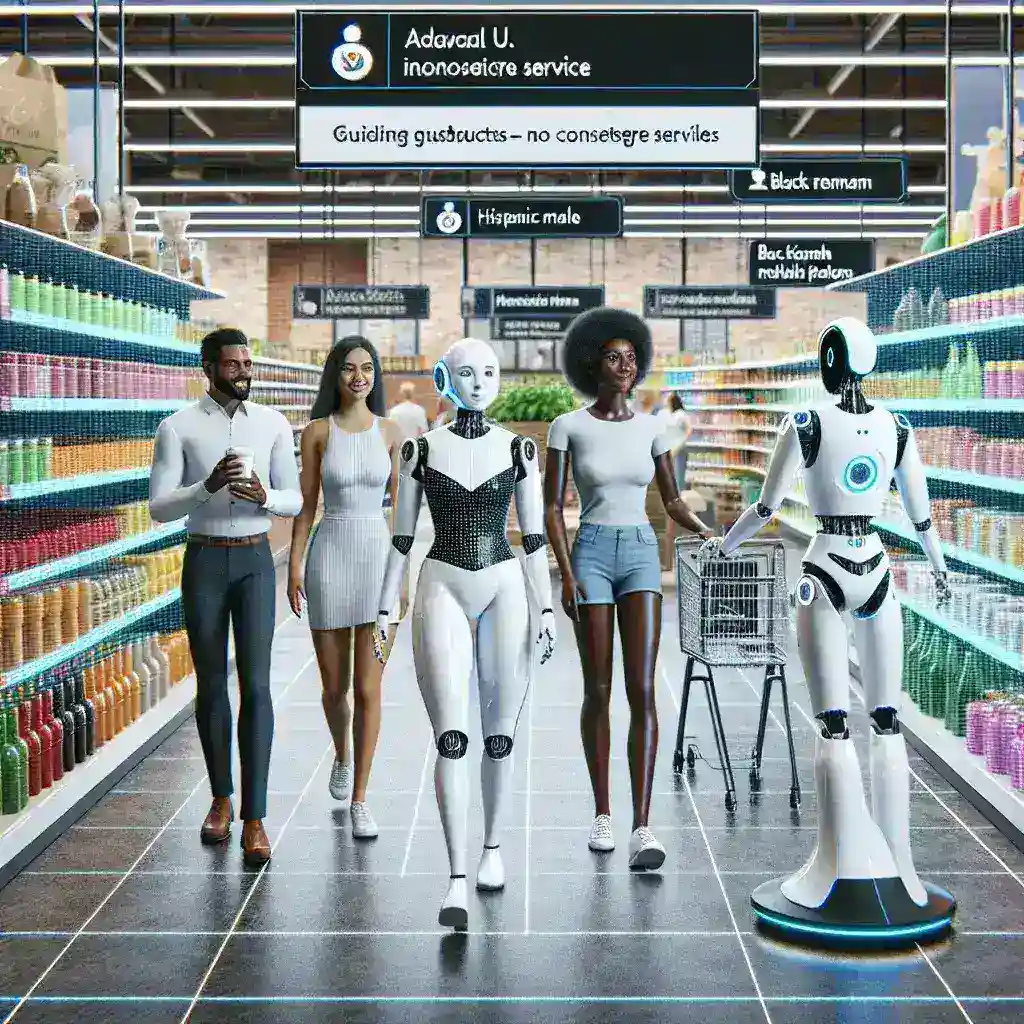
In an era where technology is rapidly transforming the retail landscape, Walmart is stepping up its game by trialing personalized AI shopping concierges in its supercenters across the United States. This innovative approach aims to enhance the shopping experience, streamline customer interactions, and potentially increase sales. As consumers increasingly seek personalized services, Walmart’s initiative could redefine how we view grocery shopping.
Historical Context
Walmart has long been at the forefront of retail innovation. Founded in 1962, the company has evolved from a discount retailer to a global powerhouse by continually adapting to consumer demands. The introduction of AI-based shopping concierges is the latest in a series of technological advancements, including self-checkout systems and mobile scan-and-go options, that reflect Walmart’s commitment to improving efficiency and customer satisfaction.
The Rise of AI in Retail
The integration of artificial intelligence in various industries has been notable in recent years. Retailers are increasingly using AI to analyze consumer behavior, manage inventory, and enhance customer service. According to a report by Statista, the global AI in retail market is expected to grow significantly, with a projected value of $19.9 billion by 2027. This trend underscores the importance of incorporating advanced technology to stay competitive.
What Are AI Shopping Concierges?
AI shopping concierges are intelligent systems designed to assist customers during their shopping experience. Utilizing machine learning algorithms and natural language processing, these concierges can provide personalized recommendations based on individual preferences, past purchases, and current trends.
Key Features
- Personalized Recommendations: The AI can suggest products tailored to the shopper’s preferences.
- Efficient Navigation: It can guide customers to specific items within the store, reducing shopping time.
- Real-Time Assistance: Shoppers can ask questions and receive immediate responses, enhancing customer service.
How Walmart Is Implementing This Technology
Walmart’s trial of AI shopping concierges involves strategically placing kiosks and employing mobile apps that customers can access while shopping. These kiosks are designed to engage shoppers, offering a seamless experience as they navigate through aisles filled with thousands of products.
Trial Locations
The pilot program is currently being tested in select supercenters across the U.S. The locations were chosen based on high foot traffic and a diverse customer base to evaluate the effectiveness of the AI concierges in real-world scenarios.
Benefits of AI Shopping Concierges
The integration of AI technology offers numerous advantages for both consumers and Walmart:
- Enhanced Customer Experience: Personalized interactions create a more enjoyable shopping environment.
- Increased Sales: By offering tailored recommendations, Walmart can potentially boost sales and customer loyalty.
- Operational Efficiency: AI can assist in inventory management, ensuring that popular items are always in stock.
Challenges and Considerations
Despite the promising benefits, the implementation of AI shopping concierges is not without challenges:
- Privacy Concerns: Customers may be cautious about sharing their personal data with AI systems.
- Technical Issues: Any technical glitches could lead to customer frustration and impact overall satisfaction.
- Cost of Implementation: Investing in AI technology requires significant capital, which may affect Walmart’s bottom line.
Future Predictions
As the trial progresses, the future of AI shopping concierges at Walmart could pave the way for further advancements in retail technology. If successful, this initiative may lead to:
- Wider Adoption: Other retailers may follow suit, creating a standard for personalized shopping experiences.
- Integration with Other Technologies: AI concierges could work alongside augmented reality and virtual shopping experiences.
- Enhanced Personalization: As AI becomes more sophisticated, recommendations may become even more tailored and accurate.
Real-World Examples
Other companies have also begun exploring AI in retail. For instance, Amazon’s cashier-less stores utilize advanced technology to track purchases and streamline the checkout process. By examining these examples, Walmart can glean insights on how to best implement and optimize its own AI shopping concierge system.
Expert Opinions
Industry experts weigh in on the impact of AI in retail. According to Dr. Jane Smith, a leading analyst in retail technology, “Walmart’s trial of AI shopping concierges represents a significant leap forward in creating a customer-centric shopping experience. If successful, it could redefine not only Walmart’s operations but also set a benchmark for the entire retail industry.”
Conclusion
Walmart’s trial of personalized AI shopping concierges in U.S. supercenters marks an exciting chapter in the evolution of retail shopping. By leveraging artificial intelligence, the company aims to create a more personalized, efficient, and enjoyable experience for its shoppers. As the trial unfolds, it will be interesting to monitor the outcomes and implications for Walmart and the broader retail landscape. Ultimately, this initiative could signal the future of shopping, where technology and customer service converge to meet the evolving needs of consumers.
Leave a Reply