Introduction
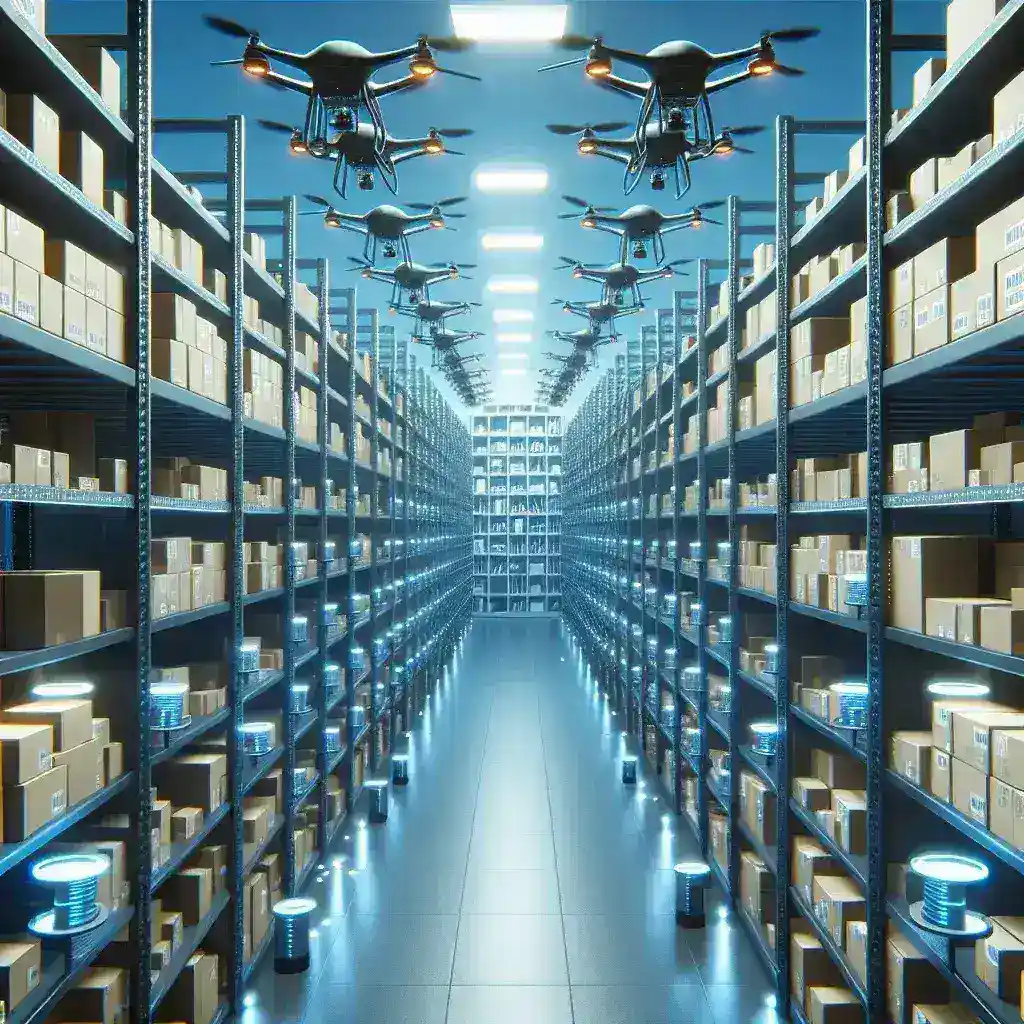
In recent years, Amazon has been at the forefront of innovation in the logistics and e-commerce sectors. The company has taken significant strides to streamline its operations and enhance efficiency, with one of the latest initiatives being the expansion of its drone warehouse inventory scanning pilots. This groundbreaking approach not only promises to transform how Amazon manages its warehouse inventory but also sets a precedent in the industry.
The Evolution of Amazon’s Drone Technology
Amazon’s journey into drone technology began with its ambitious Prime Air delivery service, which aims to deliver packages to customers within 30 minutes using unmanned aerial vehicles. As the company advances in this field, it is discovering new applications for drone technology, particularly in warehouse management.
The Need for Efficient Inventory Management
As Amazon continues to grow, managing vast quantities of inventory across numerous fulfillment centers has become increasingly complex. Traditional inventory management methods, such as manual counting and barcode scanning, are time-consuming and prone to errors. This has led to a growing interest in automating inventory processes using drone technology.
Understanding the Drone Warehouse Inventory Scanning Pilot
The current pilot program focuses on utilizing drones equipped with advanced scanning technology to monitor and manage inventory in Amazon’s warehouses. These drones are designed to fly autonomously, using GPS and sophisticated sensors to scan stock efficiently.
Key Features of the Drone System
- Autonomous Navigation: Drones can navigate through the warehouse environment without human intervention, significantly reducing the time needed for inventory checks.
- High-Resolution Scanning: Equipped with high-resolution cameras and sensors, the drones can capture detailed images and data of inventory levels, ensuring accurate stock counts.
- Real-Time Data Processing: The drones relay the scanned information back to Amazon’s inventory management systems in real-time, allowing for immediate updates and adjustments.
Benefits of Using Drones for Inventory Management
The introduction of drones into Amazon’s inventory management processes offers numerous advantages:
1. Increased Efficiency
By automating the inventory scanning process, Amazon can significantly reduce the time spent on manual counting. Drones can complete inventory checks in a fraction of the time it would take human workers.
2. Enhanced Accuracy
Human errors in inventory management can lead to stock discrepancies and fulfillment issues. Drones equipped with advanced scanning technology minimize these errors, ensuring more accurate inventory records.
3. Cost Savings
While implementing drone technology requires initial investment, the long-term savings on labor costs, reduced errors, and increased efficiency can result in substantial cost savings for Amazon.
4. Scalability
As Amazon continues to expand its operations globally, the scalability of drone technology allows for rapid deployment in new warehouses without the need for extensive training or hiring additional staff.
Challenges and Considerations
Despite the many benefits, there are challenges associated with the implementation of drone technology in inventory management:
1. Regulatory Compliance
Drone operations are subject to stringent regulations, and Amazon must ensure compliance with local laws and regulations regarding airspace and safety.
2. Initial Investment
The cost of developing and deploying drone technology can be high, and Amazon must weigh the potential return on investment against these initial expenses.
3. Technology Reliability
Ensuring the reliability of drone technology is crucial. Any technical failures during operations could lead to inventory discrepancies and operational disruptions.
Future Predictions for Drone Technology in Logistics
As Amazon continues to innovate, the potential for drone technology in logistics appears promising. Future developments might include:
1. Integration with AI
Combining drone technology with artificial intelligence could lead to even smarter inventory management systems capable of predicting stock needs based on historical data.
2. Broader Applications
Drones could eventually be used not only for inventory scanning but also for other warehouse tasks such as order picking and sorting, further enhancing efficiency.
3. Global Expansion
As regulations evolve, we may see Amazon deploying drone technology in warehouses worldwide, standardizing practices and enhancing operational efficiency.
Real-Life Examples of Drone Applications
Several industries are already utilizing drones for inventory management and logistics purposes:
1. Retail Sector
Companies like Walmart have tested drone technology for inventory management, reporting increased accuracy and efficiency in stock counts.
2. Agriculture
Drones are widely used in agriculture for monitoring crop health and inventory management of supplies, showcasing the technology’s versatility.
Conclusion
Amazon’s expansion of drone warehouse inventory scanning pilots marks a significant step forward in logistics and inventory management. By harnessing the power of drone technology, the company is not only improving efficiency and accuracy but also setting industry standards that could reshape how businesses manage their inventory in the future. As the program evolves, it will be fascinating to see how Amazon integrates this technology into its broader operational framework and how it influences the logistics industry as a whole.
Leave a Reply